
Services - Targeted Marketing/Brand Exposure
The Native American community represents buying power. The average person may not think so because of the percentage of Native Americans in the general population. However, there is another dynamic to consider outside the scope and boundaries of census figures.
The tribes, under the definition of Federal Law and the United States Constitution, are a "sovereign nation." This basically means that America's Indigenous peoples were granted the right to "self-determine" their future and manage their own affairs.
|
|
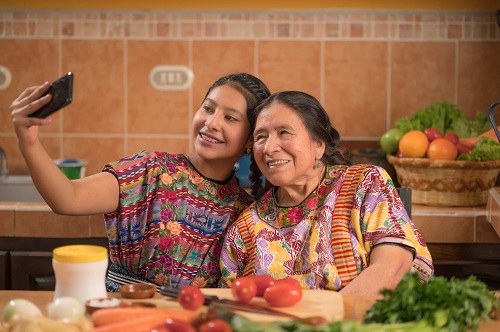
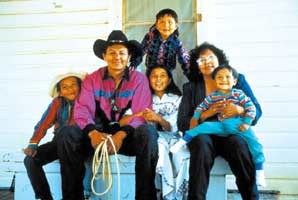
Today, 574 federally recognized tribes exercise this autonomy by controlling health care systems and hospitals, tribal school districts and colleges, communication networks, housing, natural resources and utilities. There is also the billion-dollar gaming and hospitality industry, owned and operated by tribes, under economic development initiatives. How this translates into "buying power" is that Indian Country purchases, on an institutional basis, commodities and services in bulk.
The Selig Center projected that the nation’s Native American buying power will rise from $84 billion in 2010 to $140 billion in 2020. Between 2010 and 2020, buying power grew 67% and the Center’s analysis proved accurate.
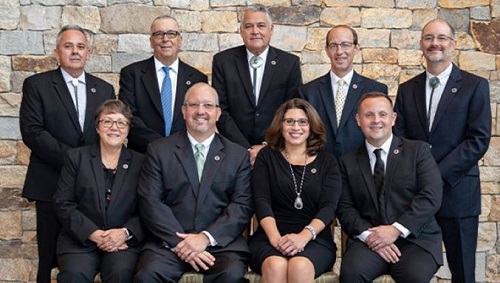
(Mohegan Tribal Council and Management Board)
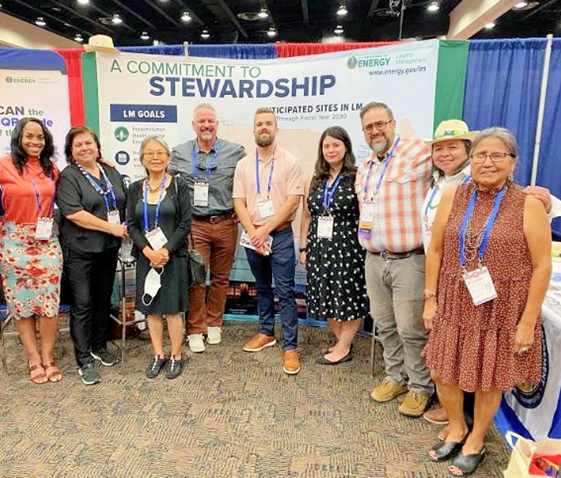
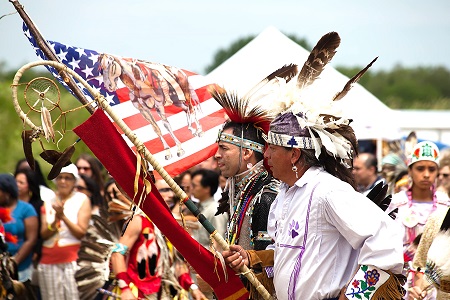
Over the past 25 years, there has been a significant increase in the number of corporations, government agencies and educational institutions targeting the Native American community. They advertise on Native American-owned radio and television stations, place advertising in digital and print medias, sponsor art and cultural exhibits, contribute to scholarship funds, and participate in Pow-Wows and other well-attended events to promote products, career opportunities and public service messages. Their outreach is duly recognized and makes a positive impression on non-Natives, as well.
 |
 |
(Photo Credit: U.S. Dept. of Energy) |
(Photo Credit: Skylar Carrasco) |
 |
 |
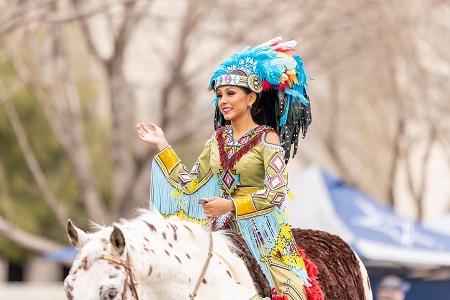 |
(Image Credit: www.santaynezchumash.org) |